What is furniture surface treatment equipment and what are its primary functions?
Introduction: defining the industrial backbone of furniture finishing
In the realm of modern furniture manufacturing, the final appearance, durability, and tactile quality of a product are not merely aesthetic considerations; they are fundamental determinants of value, marketability, and longevity. Achieving a flawless, consistent, and durable finish on materials like wood, metal, and composite substrates is a complex industrial process that hinges on one critical category of machinery: furniture surface treatment equipment. This term encompasses a vast array of automated and semi-automated systems designed to apply, cure, and prepare various coatings and finishes onto furniture components with precision, efficiency, and repeatability that far surpasses manual methods. At its core, this equipment serves as the technological bridge between a raw, unfinished substrate and a finished product ready for the consumer market. The primary functions of this machinery are multifaceted, integrating material science, mechanical engineering, and process control to achieve objectives such as enhanced aesthetic appeal, superior protection against environmental and physical wear, and the fulfillment of stringent production efficiency and sustainability goals. The evolution of this equipment reflects the furniture industry’s continuous pursuit of higher quality, faster throughput, and more environmentally responsible manufacturing practices.
The foundational components: deconstructing a surface treatment machine
A typical surface treatment machine is rarely a single, monolithic unit. Instead, it is often a coordinated production line comprising several integrated stations, each performing a specific, critical task in the sequential process of finishing. Understanding these components is essential to understanding the equipment’s overall function.
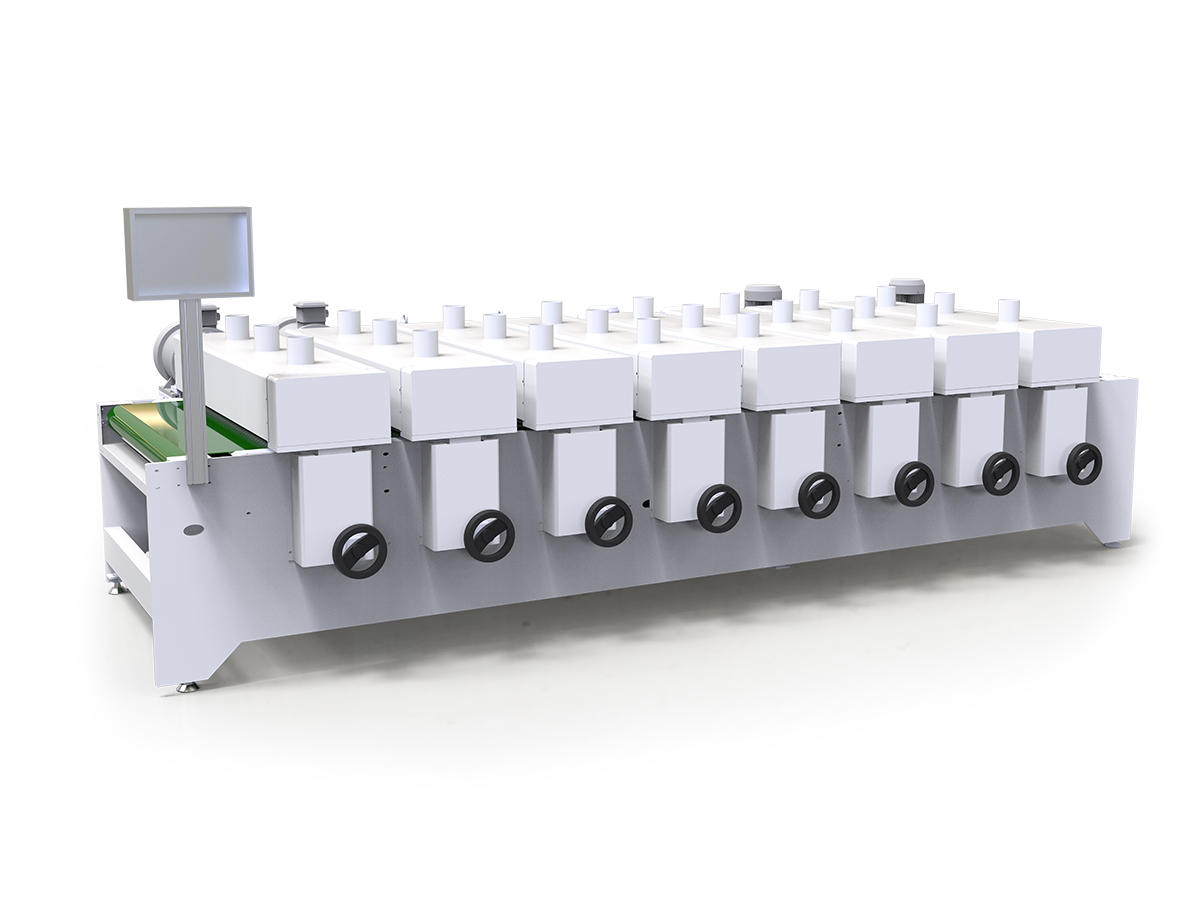
The journey of a furniture component, such as a cabinet door or a tabletop, often begins with pre-treatment and preparation. This stage is crucial, as the quality of the finish is profoundly dependent on the condition of the substrate. Equipment in this category includes automated sanding machines, which utilize oscillating heads equipped with abrasives of varying grits to smooth the surface, remove imperfections, and ensure optimal adhesion for subsequent coatings. Dust extraction systems are integrated into these sanders to maintain a clean working environment and prevent particulate matter from contaminating the wet finish. For certain materials, cleaning stations might also be employed to remove oils, dust, or static charge.
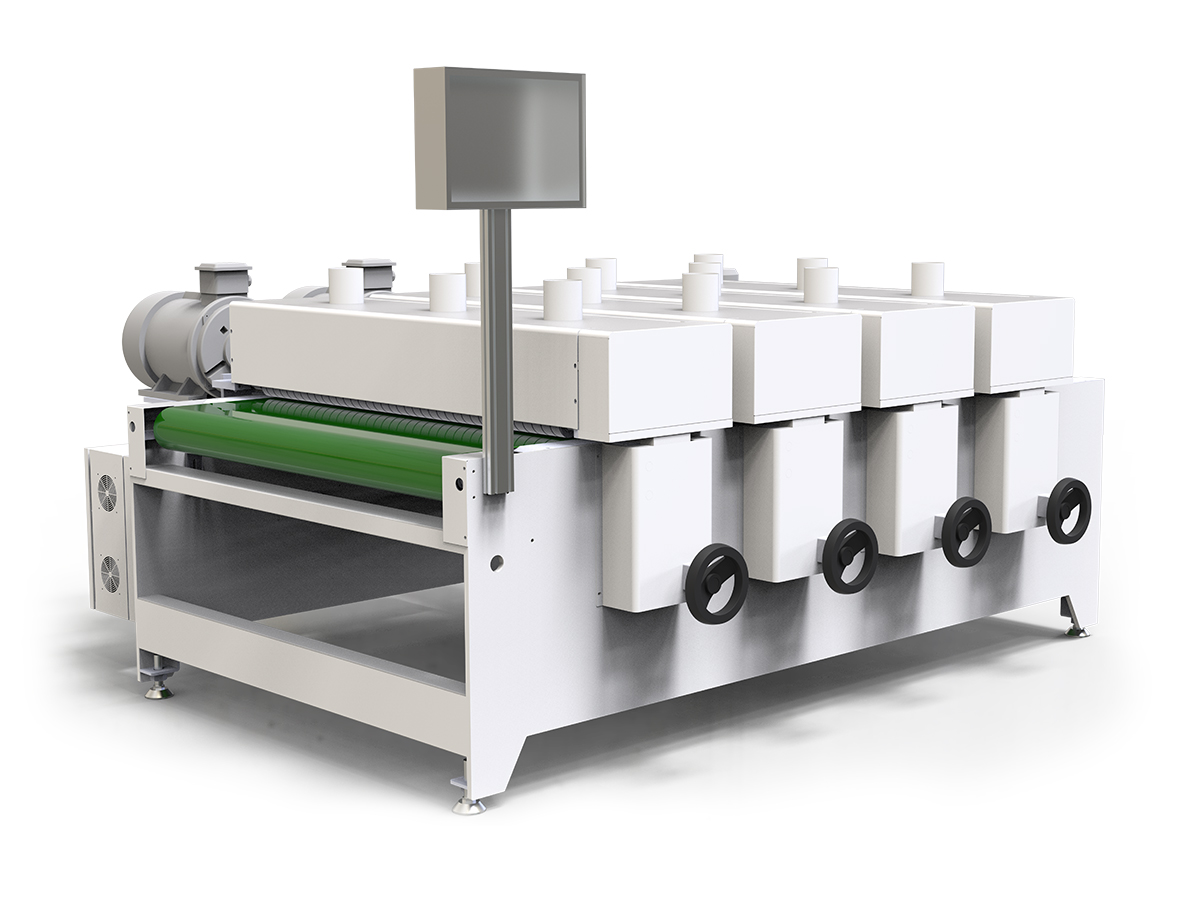
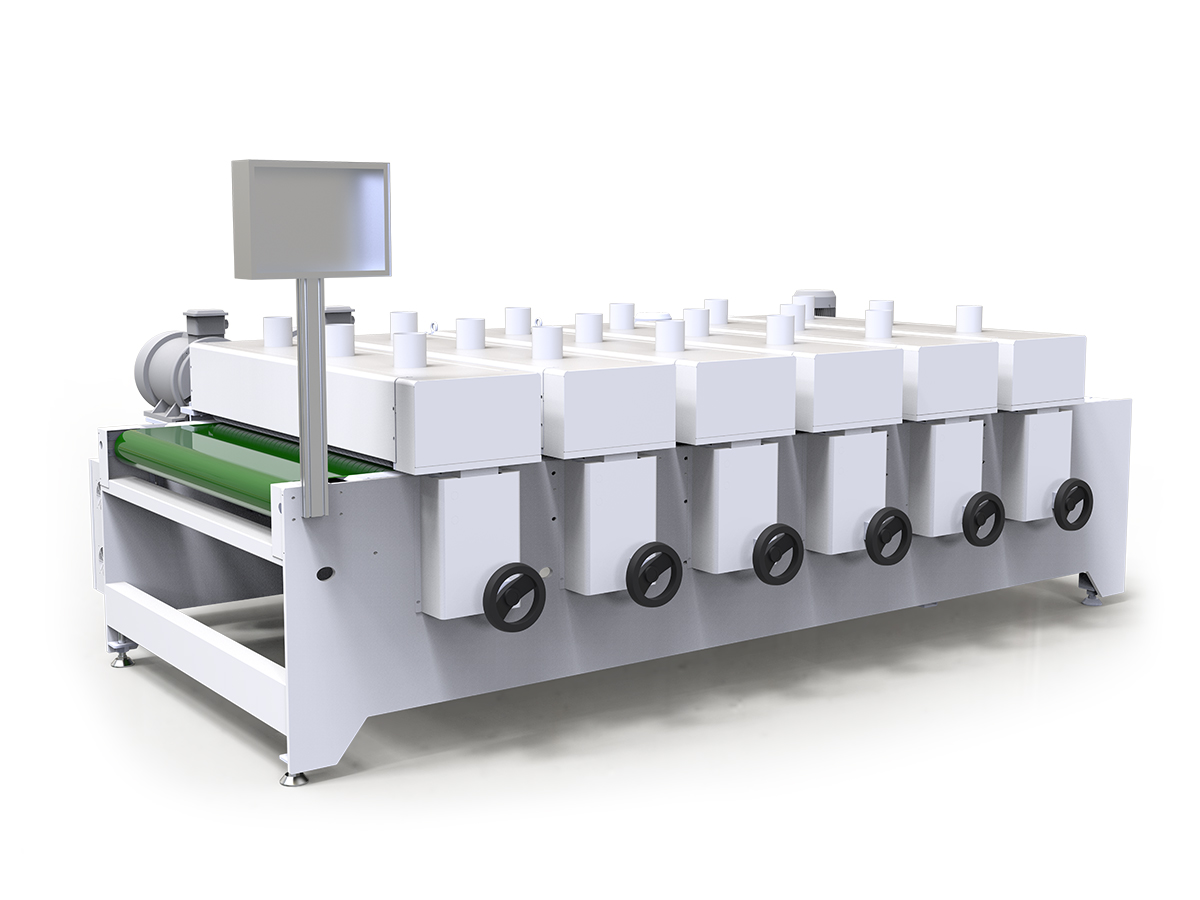
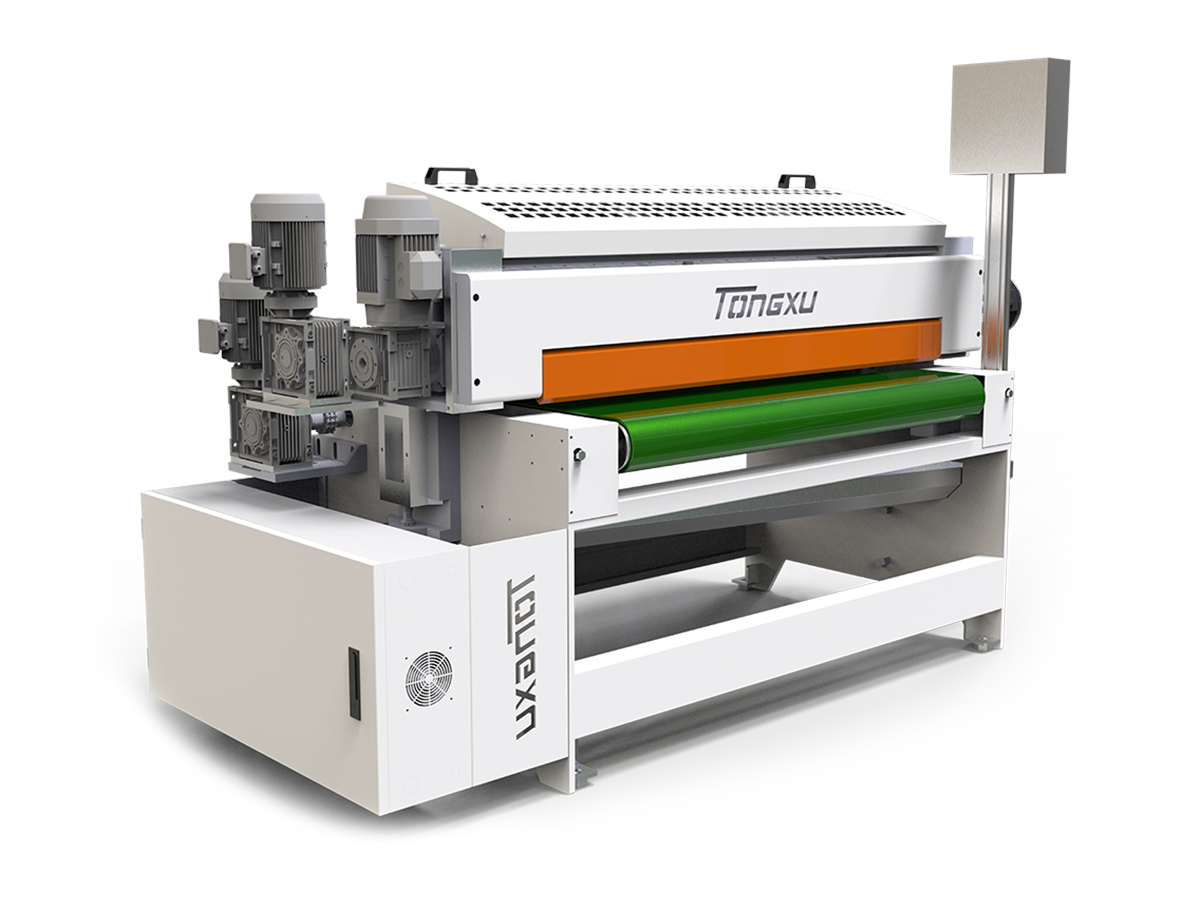
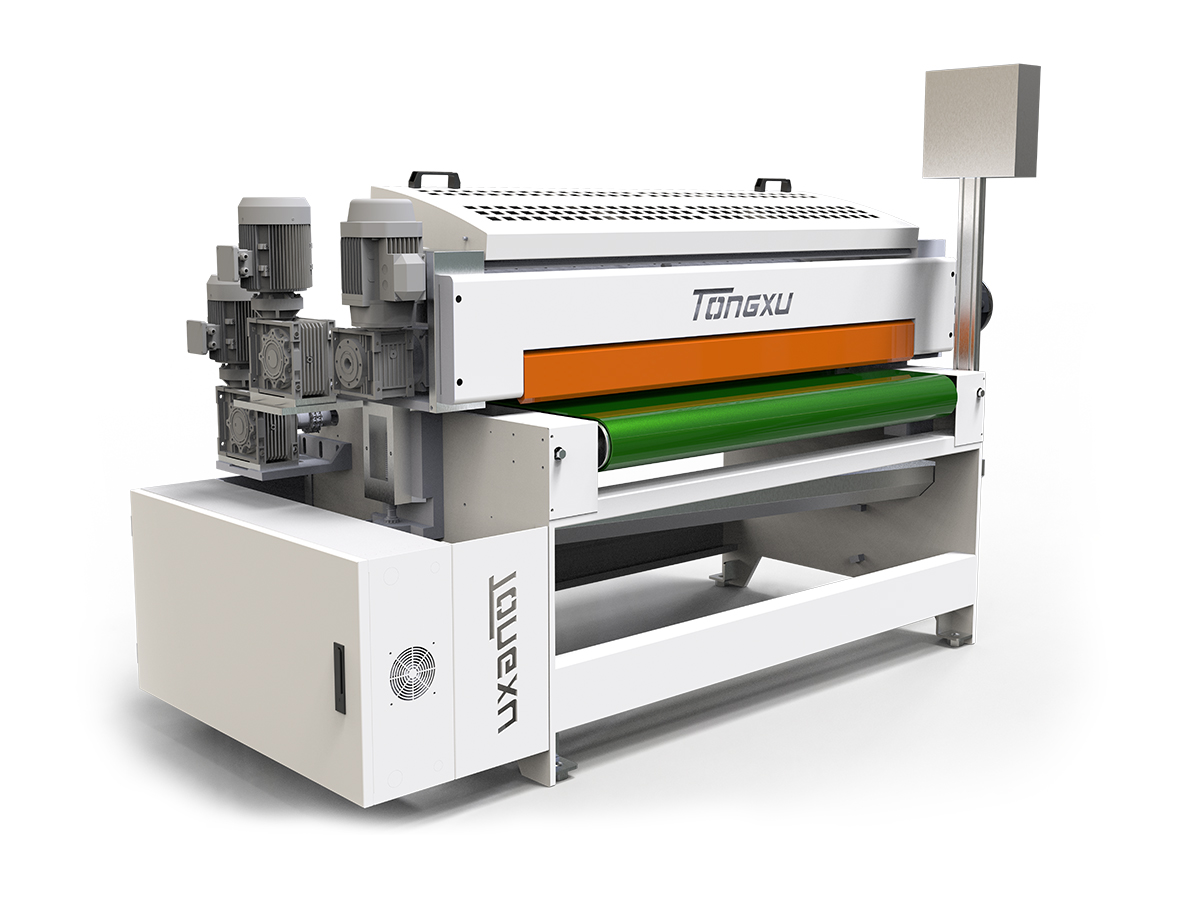
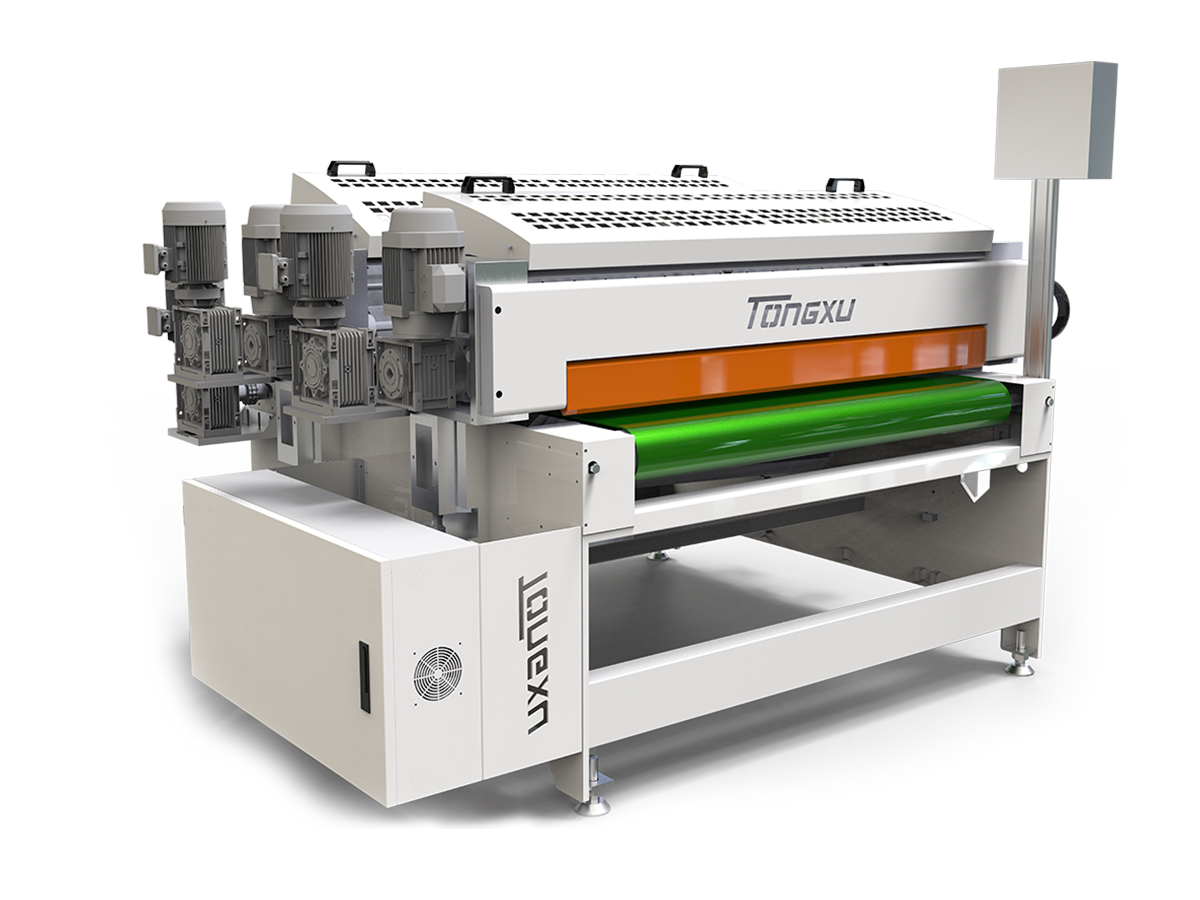
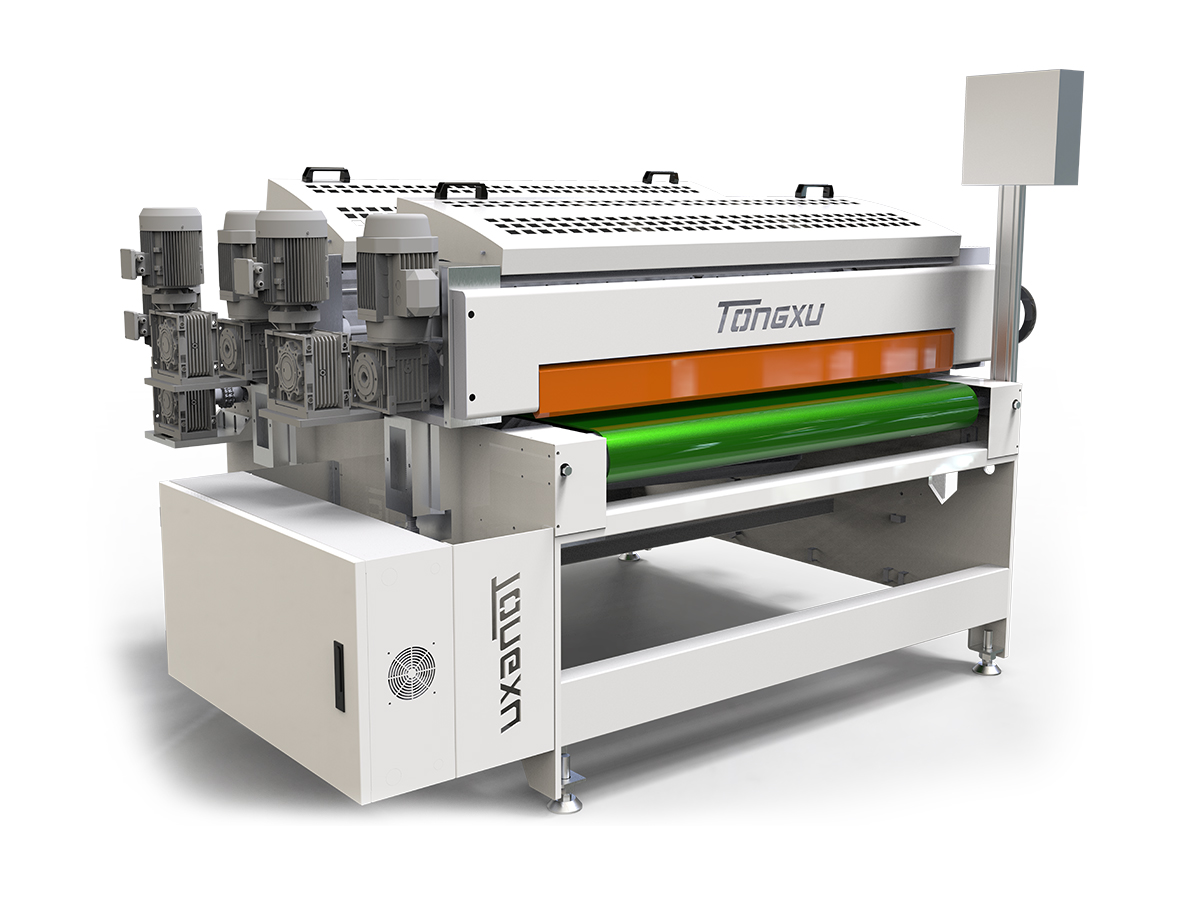
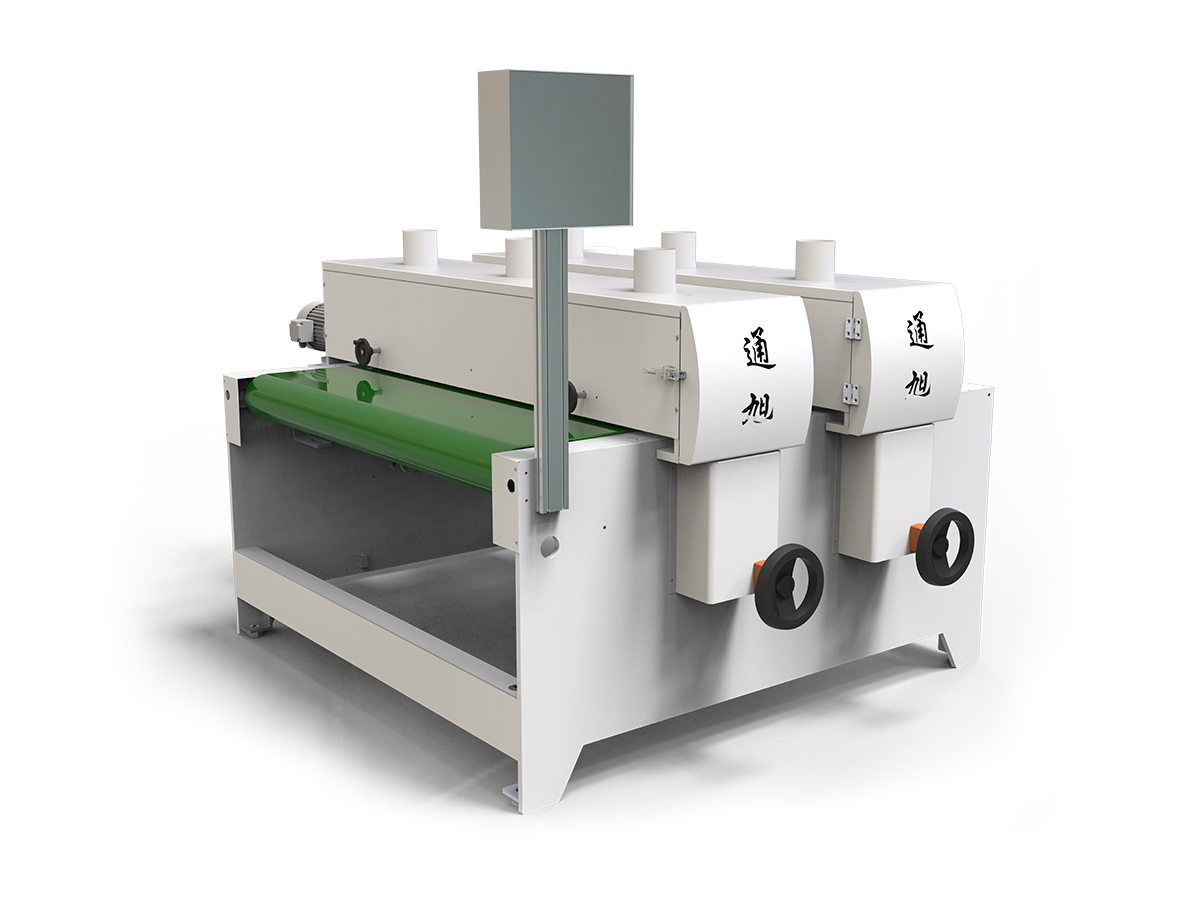
The heart of the operation is the application module, commonly referred to as the surface coating equipment. This is where the liquid finish—whether it be stain, paint, primer, or a protective topcoat—is applied to the substrate. The technology employed here varies significantly based on the desired effect, production volume, and material viscosity. The most common types include roller coaters, which use precision-engineered rollers to transfer a continuous, controlled film of coating onto flat or minimally profiled surfaces; curtain coaters, which create a falling curtain of liquid that components are conveyed through, ideal for high-volume application on flat panels with excellent uniformity; and spraying systems, which atomize the coating into fine droplets propelled toward the workpiece. Spraying technologies themselves have sub-categories, such as air-assisted airless spraying for a balance of finish quality and transfer efficiency, and high-volume low-pressure (HVLP) systems for reduced overspray. For complex, three-dimensional items like chairs or carved decorative elements, specialized robotic arms equipped with spray guns are often used to navigate contours and ensure complete, even coverage.
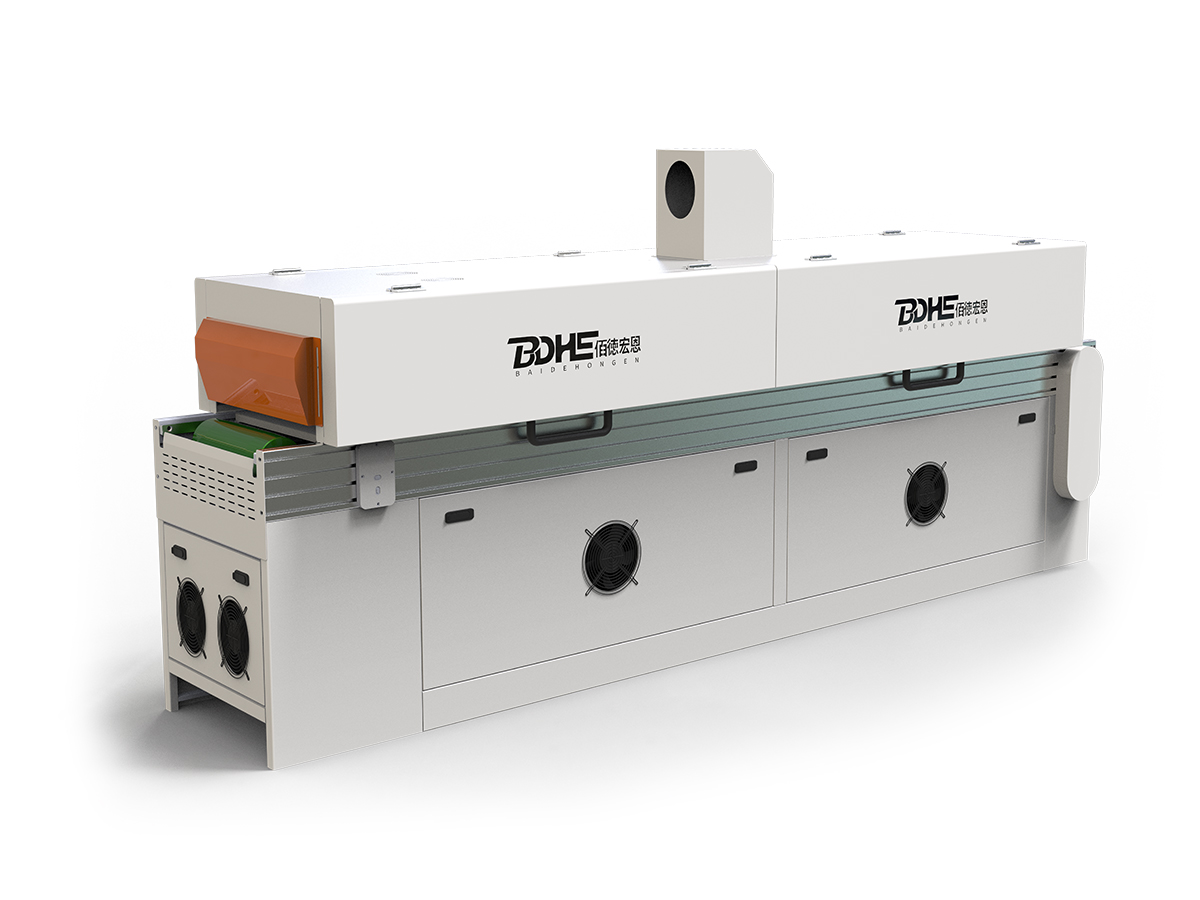
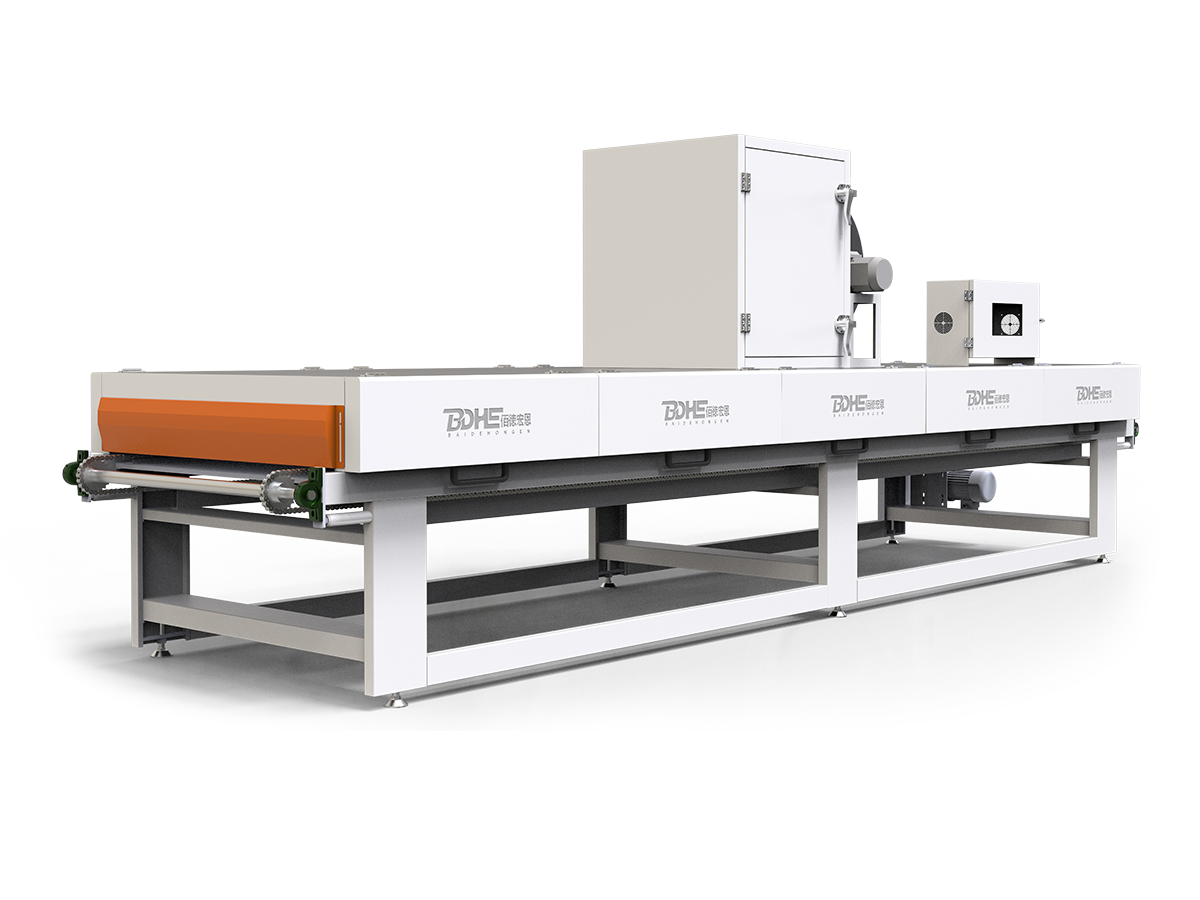
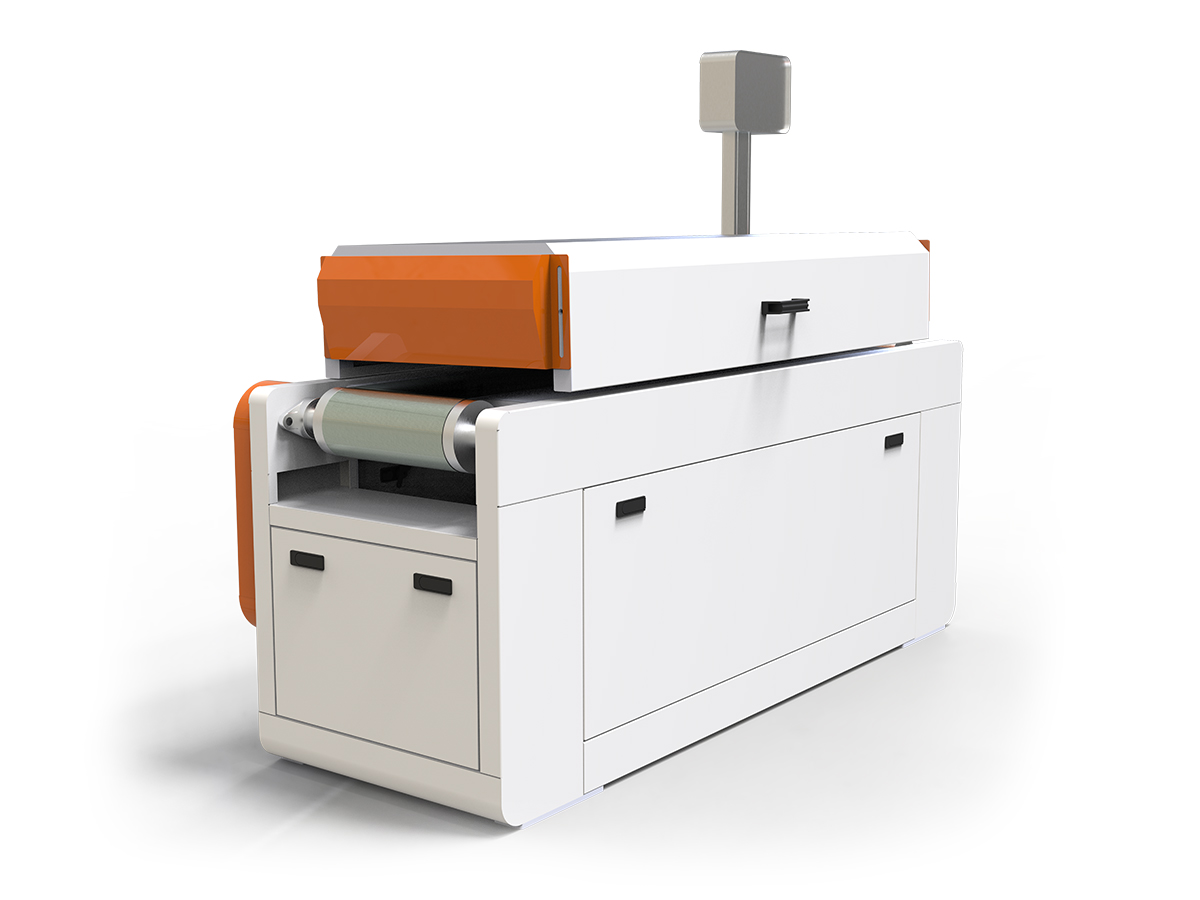
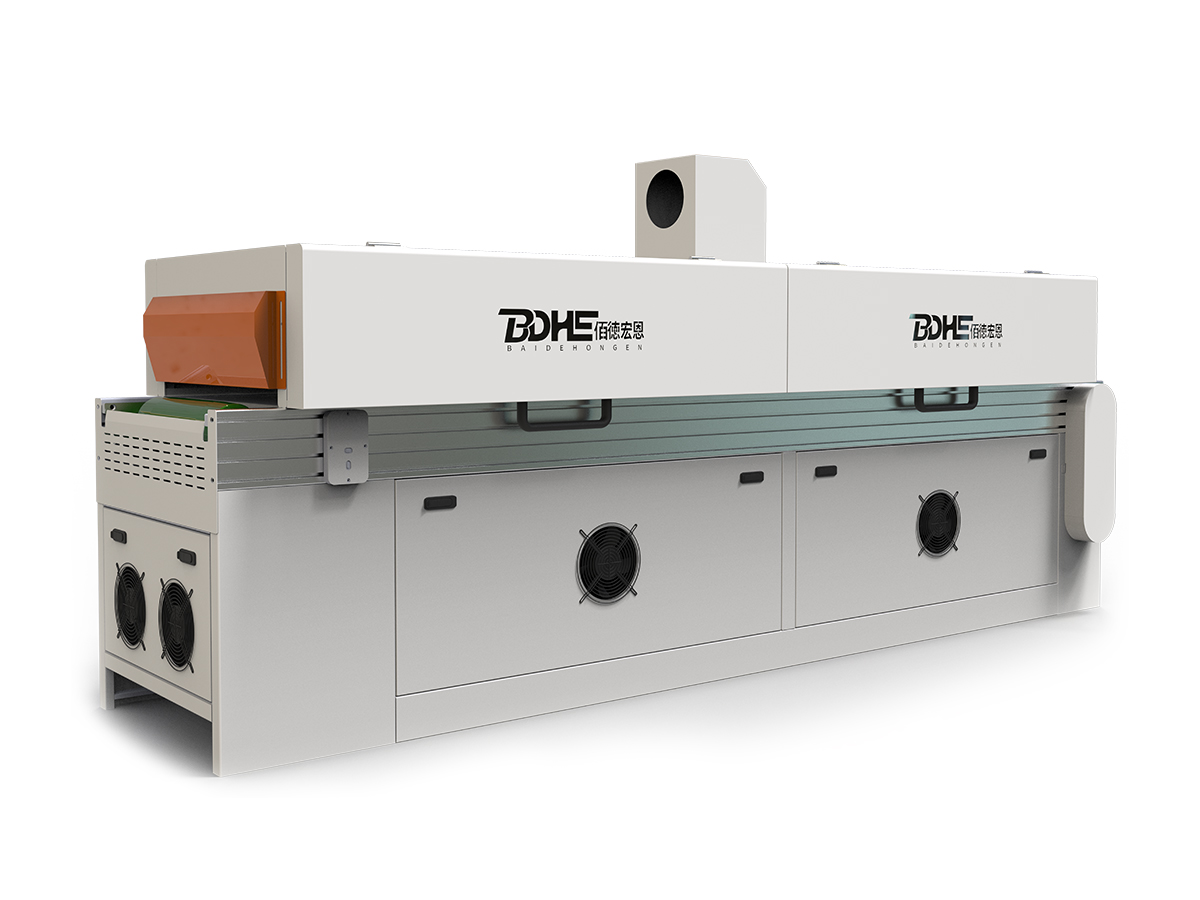
Following application, the component moves to the curing or drying stage. This phase is where the liquid coating undergoes a physical or chemical transformation to become a solid, durable film. Curing equipment ranges from simple heated air tunnels that accelerate solvent evaporation to advanced ultraviolet (UV) curing stations. UV curing systems expose the wet coating to intense ultraviolet light, which triggers an instantaneous photochemical reaction that hardens the finish in a matter of seconds. This technology offers dramatic increases in production speed, reduces the factory footprint required for drying tunnels, and often results in a harder, more chemical-resistant surface. Infrared (IR) drying is another method, using targeted electromagnetic radiation to heat the substrate and coating directly for rapid curing.
Finally, the conveyance system acts as the central nervous system of the entire operation. This consists of powered rollers, chains, or overhead conveyors that transport components at a controlled and consistent speed through each stage of the process—from loading, through pre-treatment, coating, curing, and finally to unloading. The precision of this conveyance is paramount, as it ensures each piece receives identical treatment time in each station, guaranteeing batch-to-batch consistency.
A detailed exploration of primary functions: beyond mere application
The primary functions of furniture surface treatment equipment extend far beyond the simple act of applying a liquid coating. Each function is a critical response to a specific manufacturing or market demand.
The most apparent function is the creation of aesthetic value. This equipment is engineered to produce finishes that are visually perfect and consistent across thousands of individual parts. It eliminates the variations inherent in manual brushing or spraying, such as streaks, orange peel texture, or uneven layer thickness. Whether the desired effect is a deep, penetrating wood stain that highlights the natural grain, a high-gloss piano black finish, or a textured matte coating, the machinery provides the control to achieve it reliably. This consistency is paramount for furniture manufacturers who need every item in a product line to match perfectly, a task nearly impossible to accomplish at scale through manual labor.
Equally important is the function of protection and enhancement of material properties. Raw wood is hygroscopic, meaning it absorbs and releases moisture from the air, leading to dimensional swelling, shrinking, and warping. Bare metal is susceptible to corrosion and oxidation. A surface treatment machine applies protective barriers that seal the substrate. These coatings prevent moisture ingress, protect against ultraviolet radiation that can cause fading, and shield the furniture from everyday wear and tear, including scratches, stains, heat, and chemical spills from cleaning products. This significantly extends the functional lifespan of the furniture, making it suitable for demanding environments like kitchens, hospitals, and offices.
The drive for production efficiency and scalability is a fundamental reason for the adoption of this equipment. Automated lines can operate continuously at high speeds, processing a vastly greater number of components per shift than a team of human finishers. This high throughput is essential for meeting large-volume orders and tight delivery schedules. Furthermore, automation drastically reduces the labor cost associated with finishing, which is typically one of the most time-consuming and skill-dependent stages of furniture production. While a skilled sprayer is still needed to manage and maintain the system, the number of operators required per unit of output is dramatically lower.
Modern surface coating equipment also plays a pivotal role in resource management and environmental compliance. Advanced systems are designed to maximize material utilization and minimize waste. Technologies like electrostatic spraying impart an electrical charge to the paint particles, which are then attracted to the grounded workpiece, significantly reducing overspray—the mist of paint that misses the target. This not only saves on material cost but also reduces the volume of hazardous waste that must be handled. Enclosed spray booths with sophisticated filtration systems capture particulate matter (overspray) and volatile organic compounds (VOCs) from solvents, ensuring that air emissions meet increasingly stringent environmental regulations. This function is critical for manufacturers aiming to implement sustainable practices and reduce their ecological footprint.
Finally, this equipment provides unmatched process control and repeatability. Every parameter—conveyor speed, roller pressure, spray fan pattern, fluid flow rate, curing temperature, and UV light intensity—can be precisely measured, set, and recorded. This means that a perfect finishing recipe developed for a specific product can be saved and replicated exactly months or years later, ensuring that replacement parts or new production runs will be identical to the original. This data-driven approach to manufacturing reduces errors, minimizes rejected parts due to finish defects, and provides a clear record of process parameters for quality assurance purposes.
Selecting the right equipment: a guide for buyers and product managers
The process of selecting the appropriate furniture surface treatment equipment is a significant capital investment decision that requires careful analysis of multiple factors. Manufacturers must conduct a thorough evaluation of their specific needs to identify the machinery that will deliver the best return on investment and align with their long-term production goals.
A primary consideration is the production volume and throughput requirements. A small custom workshop with low output may benefit from a simple, standalone machine like a single-sided roller coater or a compact spray booth. In contrast, a large-scale factory mass-producing cabinet components will require a fully integrated, automated production line with high-speed conveyors, multiple application stations, and rapid curing technology to achieve the necessary output. Understanding the required units per hour or per shift is the first step in sizing the equipment.
The substrate material and product geometry are equally decisive factors. Flat panel products, such as those used for cabinet doors, walls, and tabletops, are ideally suited for roller and curtain coating, which provide exceptional speed and uniformity. However, for three-dimensional furniture parts like chairs, table legs, and ornate decorative pieces, roller coating is ineffective. These irregularly shaped items necessitate the flexibility of spraying technology. For the most complex geometries, multi-axis robotic spraying arms are the optimal choice, as they can be programmed to follow the exact contours of the object. The material itself—whether it’s solid wood, MDF, particleboard, plastic, or metal—will influence the choice of coating and, consequently, the compatible application and curing technology.
The type of coating material (e.g., water-based paint, solvent-based lacquer, UV-curable resin, oil stain) directly dictates the design of the surface treatment machine. Equipment must be constructed from materials resistant to the chemicals in the coatings. For instance, water-based coatings may require stainless steel components to prevent rusting. The viscosity of the material will affect the pump and fluid delivery system design. Most critically, the curing method must be matched to the coating chemistry; UV lamps cannot cure a solvent-based coating that relies on evaporation, just as a conventional oven cannot instantly polymerize a UV resin.
Beyond the machinery itself, manufacturers must consider the operational footprint and facility requirements. A full production line requires substantial floor space, access to sufficient electrical power (especially for UV and IR curing), compressed air for spraying systems, and potentially enhanced ventilation and make-up air systems. The availability of technical expertise for operation and maintenance is another crucial factor. While modern equipment is designed for user-friendliness, it still requires a higher level of technical understanding than manual processes. Therefore, comprehensive training provided by the equipment supplier is an invaluable part of the acquisition process.
Maintenance and optimization: ensuring long-term performance and value
Acquiring advanced furniture surface treatment equipment is only the first step; maintaining its performance is an ongoing commitment that directly impacts productivity, product quality, and total cost of ownership. A disciplined maintenance regimen is non-negotiable for ensuring the machinery operates at peak efficiency throughout its service life.
Preventative maintenance tasks are typically outlined in detail within the equipment’s manual and form the backbone of a reliable operation. For application systems, this involves the regular cleaning of critical components to prevent the buildup of dried coating, which can disrupt fluid flow and application uniformity. Nozzles on spray guns must be cleaned or replaced periodically. Roller coaters require meticulous cleaning of the pick-up and application rollers after each use or during scheduled downtime to prevent cross-contamination between colors or coating types and to maintain the precise surface texture of the rollers. The circulatory systems for coatings, including pumps, hoses, and filters, must be inspected and maintained to ensure consistent material delivery.
Curing systems also demand specific attention. UV curing systems require regular monitoring of lamp intensity and the condition of the reflectors; lamps lose their potency over time and must be replaced according to a schedule to ensure complete curing. Oven and IR drying systems need their heating elements, blowers, and air circulation pathways kept clean and unobstructed to maintain thermal efficiency and temperature uniformity across the conveyor width.
The conveyance system, the workhorse of the line, requires lubrication of chains and bearings, tracking adjustments for belts and rollers, and checks on drive motor performance. Regular calibration of sensors that control conveyor speed, coating thickness, and curing parameters is essential to maintain the repeatability and quality the equipment was designed for.
Beyond scheduled maintenance, performance optimization is an ongoing process. This involves fine-tuning machine parameters to adapt to new coating materials, minimize material usage further, or incrementally increase line speed without sacrificing quality. A thorough understanding of the equipment’s capabilities allows operators to squeeze every ounce of performance from it. Keeping detailed logs of maintenance activities, machine settings for different products, and any operational issues creates a valuable knowledge base that can help troubleshoot future problems and plan for upgrades or component replacements, thereby extending the equipment’s operational lifespan and protecting the manufacturer’s investment.
The future trajectory of furniture surface treatment technology
The field of furniture surface treatment equipment is not static; it is continuously evolving, driven by technological innovation, market demands, and regulatory pressures. Several key trends are shaping the next generation of this machinery.
The integration of Industry 4.0 principles and the Internet of Things (IoT) is perhaps the most significant trend. Modern machines are increasingly equipped with a multitude of sensors that collect real-time data on every aspect of the process: flow rates, pressures, temperatures, conveyor speeds, and energy consumption. This data is fed into a centralized control system that provides operators with unprecedented visibility and control. Predictive maintenance algorithms can analyze vibration data from a pump or motor to forecast a failure before it occurs, scheduling maintenance during planned downtime rather than causing unexpected production halts. Cloud connectivity allows equipment suppliers to monitor machine health remotely, offering proactive support and troubleshooting.
There is also a strong and persistent drive towards greater sustainability. This manifests in equipment designed for even higher transfer efficiency to minimize material waste and in systems that facilitate the use of environmentally friendly coatings with low or zero VOC content. Furthermore, energy consumption is a major focus. New generations of UV LED curing lamps offer a significant advantage over traditional mercury arc lamps, as they instantaneously turn on and off, consume less power, have a much longer lifespan, and do not contain hazardous materials.
Enhanced flexibility and customization is another developing trend. Manufacturers are increasingly moving away from mass production of single products towards offering greater customization to end-consumers. This requires finishing lines that can handle small batch sizes and frequent changeovers efficiently. Equipment that allows for quick cleaning and setup changes, perhaps even using automated recipe recall for different products, is becoming more valuable. The continued advancement of robotics, with improved path planning and vision systems that can identify and adapt to variations in individual workpieces, will be key to accommodating this demand for mass customization.
In conclusion, furniture surface treatment equipment represents a sophisticated and indispensable class of industrial machinery that lies at the heart of modern furniture manufacturing. It is far more than a simple tool for applying paint; it is an integrated system that delivers aesthetic perfection, material protection, production efficiency, environmental compliance, and precise process control. From the basic surface treatment machine to complex automated lines, this technology enables manufacturers to transform raw materials into finished products that meet the highest standards of quality and durability. As technology continues to advance, this equipment will become even more intelligent, efficient, and adaptable, continuing to drive the furniture industry forward. For any serious manufacturer, understanding and investing in the right surface treatment technology is not an option but a necessity for remaining competitive in a global market.